I was on national TV participating in SBS Insight, Australia's leading forum for debate of important issues. The topic we discussed was Jealousy and Envy, and my task was to provide a perspective from a career coach's point of view.
So, I’ve been thinking a lot about jealousy lately. Not in a dramatic or emotional sense, but in the quiet, everyday way it shows up in our careers.
Most professionals don’t talk about it. But I see it all the time in my work. All the time.
Before we go further, it’s useful to separate two ideas that often get mixed together: jealousy and envy.
- Envy is when you want something someone else has. Their job, their promotion, their visibility, their confidence.
- Jealousy is more defensive. It’s the fear that someone else is getting ahead of you or taking something that should be yours.
Both can be useful signals. They can point to ambition, unmet goals, or even values you haven’t fully articulated yet.
But when left unchecked, they shift your focus outward. I'd rather uncover those ambitions through journaling and self-reflection. But when I'm coaching a client, I get lots of green and red flags about why the job search or career progression isn't going as planned. And Envy and Jealousy as easy signs for me to pick up.
And that’s where the real problem starts.
Instead of building your own career, you begin reacting to other people’s careers. This is what we all need to watch out for:
- You apply for roles because someone else got promoted.
- You question your path because a peer changed industries.
- You measure your success based on someone else’s timeline.
Over time, this creates a kind of professional drift. You’re busy, you’re working hard, but you’re no longer steering your own future.
Now layer on top of that something very specific to cultures like Australia: Tall poppy syndrome (TPS).
When I first moved here from Brazil, I didn’t have a name for what I was experiencing. I just knew that being confident, expressive, and proud of my achievements didn’t land well.
It was only later that someone explained tall poppy syndrome to me.
The idea that standing out too much, speaking up too confidently, or showcasing your success can be perceived negatively.
For many professionals, especially those who have spent their entire careers in this environment, this becomes deeply internalized.
You don’t just avoid “showing off” in social settings. You start holding back in moments that actually matter.
And nowhere is this more damaging than during a job search.
Because the recruitment process requires the opposite behavior.
You are expected to:
- Talk about your achievements clearly and confidently
- Use “I” instead of “we.”
- Position yourself as the best candidate in a competitive process
If you’ve been conditioned to downplay your success, this feels uncomfortable at best and almost impossible at worst.
I see this often in my coaching practice. And this is really important:
TPS is not exclusive to Australia or a specific culture or country.
So here's a quick test to see if it may be impacting your success:
- You hesitate to take ownership of their work.
- You soften your language when explaining your work, downplaying it.
- You struggle to tell a compelling story about your work's impact.
Meanwhile, other candidates, less afraid or embarrassed by self-promotion, have no hesitation in doing exactly that.
The result is not a lack of capability. It’s a lack of visibility.
And that can cost you opportunities.
If there’s one shift I encourage my clients to make, it’s this:
Move your focus from comparison to ownership.
Notice when envy shows up, but treat it as data, not direction.
Recognize when you’re holding back because of cultural conditioning.
And practice speaking about your work with clarity and confidence.
Not to impress others. But to ensure your career reflects what you’re actually capable of.
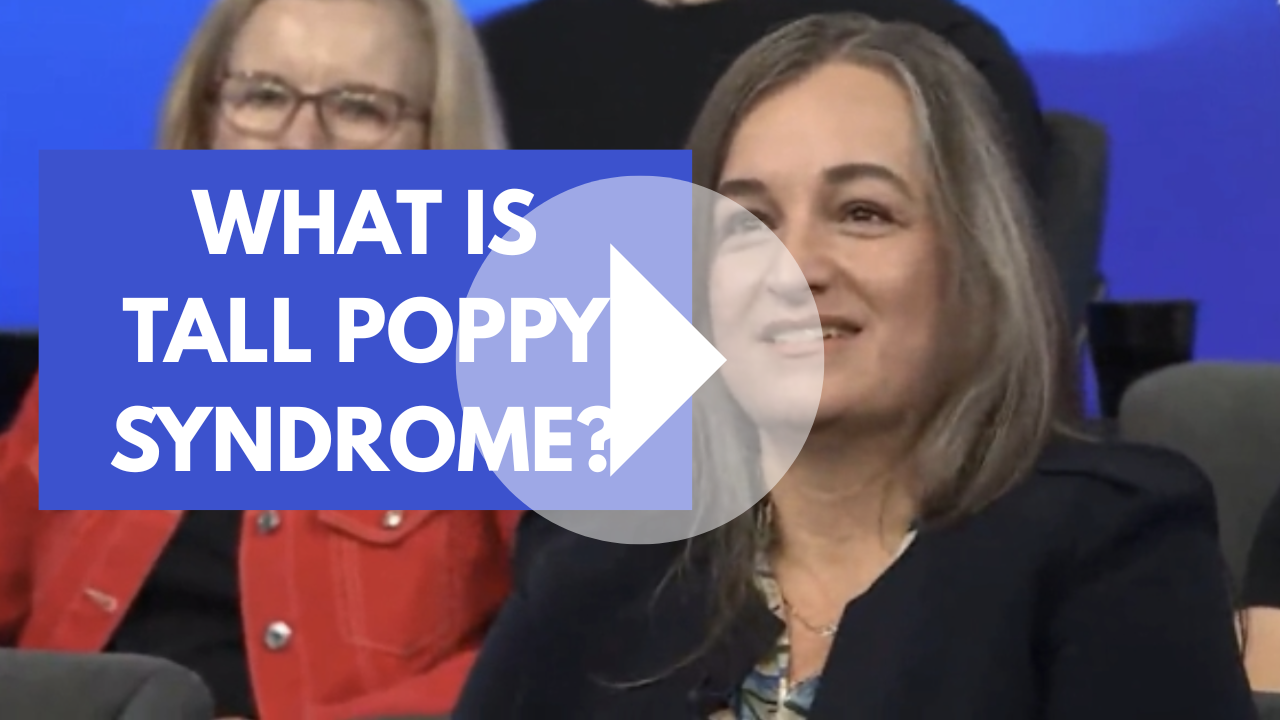
I was recently invited to join a panel to talk about something I see affecting many professionals, often quietly and without a clear name: Tall poppy syndrome.
In this short 4-minute clip, I share my personal experience moving from Brazil to Australia, how I had to adjust the way I showed up at work, and what I now see every day with my clients, especially when they are job searching and need to speak confidently about their achievements.
If you’ve ever felt like you had to tone yourself down, hold back, or avoid standing out, this will likely resonate.
I’d love for you to watch the clip, and if it speaks to you, please like it and share your experience in the comments. These conversations matter more than we think!
GO TO LINKEDIN TO WATCH THE VIDEO
A Google search of “Tall Poppy Syndrome Article Australia” shows my LinkedIn article on the first page. Above me are the following links:
-
The Conversation
-
The University of Melbourne
-
Wikipedia
-
Refinery29
-
Harper’s Bazaar
-
LinkedIn - Renata Bernarde
This is an amazing result, considering the 5 links above me are all well-established publishing organizations.
My clients have received great compliments for their articles. We can’t 100% say it’s the reason they have jobs, but the fact that the articles were on their LinkedIn profile was either the reason they were headhunted or was mentioned positively during the recruitment process.
My Tall Poppy Syndrome article did okay-ish at the time. It got 4 comments and 27 reactions. 3 people reposted it. By the way, this was over 12 months ago! Some would have considered this a failure. Or a lukewarm result.
Still, it got me a gig on a national TV show to talk about my expertise. Yes, you heard it right. A TV producer found me because of a LinkedIn article written in 2024. You can learn more about it on this LinkedIn post.
Most importantly, it helps me get clients. Because it reinforces the trust professionals have in me that I can be a great coach for them. They see it in my writing, they relate to what I’m saying, and they reach out to work with me.
We need to stop worrying about the Statistics. You don’t need to be big to get great results on LinkedIn. You have to be strategic and consistent.
That's what we do inside the RB Lndkn Club
- Weekly LinkedIn tasks and workshops that build your visibility and reputation step by step.
- Fill-in-the-blank templates to make posting and engaging easier
- Feedback and suggestions from me on your LinkedIn activity.
- Monthly live Q&A sessions where you can ask me anything about LinkedIn and career visibility.
- Access to a private peer community of professionals navigating career growth, transitions, and leadership.
It's a monthly membership. Try it for 1 month, see if it's for you!
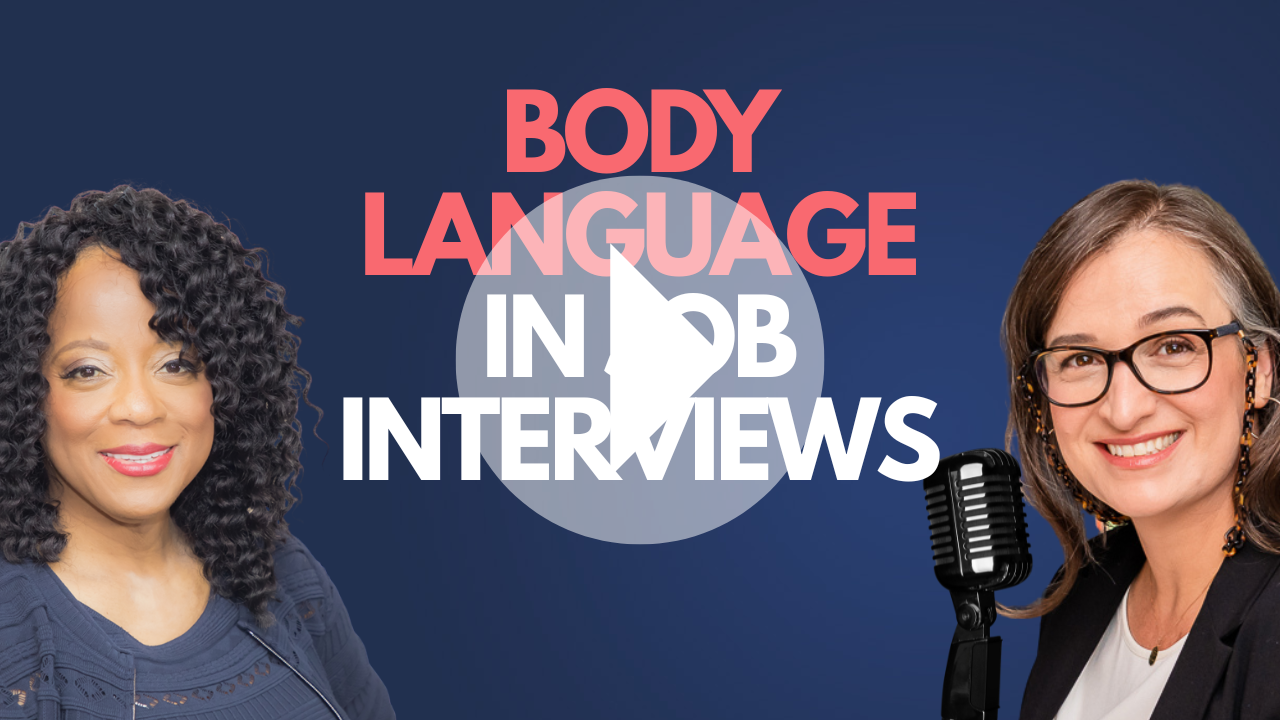
Linda Clemons is my guest on this latest episode, exploring the importance of nonverbal communication in professional settings. We discuss the significance of body language in interviews and the emotional barriers that can affect job seekers. Linda shares her expertise on how to present oneself confidently and authentically during interviews, emphasizing the role of emotional intelligence and the impact of nonverbal cues. Watch this if you have reached the interview stage in your job search but haven't yet received a job offer.
Time Out
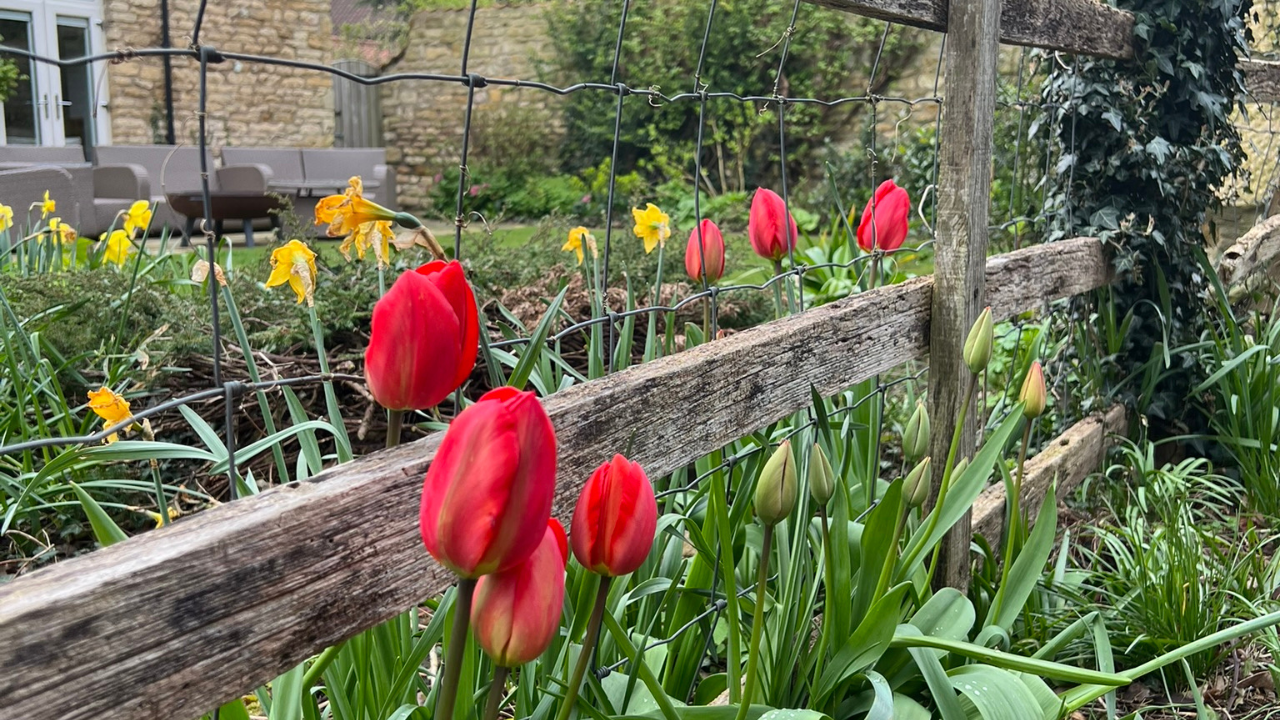
We are really enjoying staying at my son's house in the UK while we wait for the birth of our first grandchild. Andre and I are working full-time from here, and in our spare time, exercising, cooking, and sleeping. The photo above is of the tulips growing in the garden. It's so pretty here in Spring.
- I'm cooking up a storm. My daughter-in-law now has a fridge filled with easy snacks and meals for when she comes home from the hospital. Here's an Instagram account with great recipes that I enjoy. His restaurant is considered one of the best in the world, but Ben Sherry's recipes are actually really simple to make.
- I'm watching The Rookie alone (no one likes it but me). The last two seasons are not available in Australia, so I am delighted to be able to watch them while I'm here. It's a proper old-fashioned cop show. Lots of episodes. Lots of cops and different stories are happening at the same time. Every episode finishes the stress cycle well enough. And I like the camera work, which is a mix of body cam, traditional filming, handheld, and of course lots of fast cars driving around LA. I love everything filmed in LA (except Bosch - I have PTSD after reading Michael Connelly's novels; they are too scary).
- You can follow my work-from-abroad trip to the UK and be a fly on my wall by following me on Instagram.
Next week, we will be releasing another great podcast interview. And the week after, I will finally address an important area that experienced professionals often neglect: How to step back from the anxiety of job search (or the daily grind of your busy workload) to set long-term goals for your career.
So keep connected, and until then, wishing you all the best
RB