Last month I lost my aunt and godmother, someone who had a profound influence on my life. There is a strange tension that comes with grief. Rationally, we know life continues, work still needs to be done, emails keep arriving, and other people’s problems don't disappear because something painful has happened in our own lives. Emotionally, however, it can be much harder to keep moving at the same pace.
That gap between what we think we should be able to do and what we are actually capable of doing is something I have been thinking about a lot recently. I have also seen it many times with clients who have lost a parent, partner, sibling, or close friend.
In fact, in my recent conversation with Kate Dillon on The Job Hunting Podcast, she spoke very openly about losing her brother when she was young and how profoundly that changed the way she saw her career and her life. She said the experience gave her a stronger sense that “the time is now,” which made her more willing to take chances, recover from failure, and keep moving when things did not work out as planned. Her story matters because it shows how grief can alter not only our emotional lives, but also our appetite for risk, our sense of urgency, and the decisions we make about work.
When life changes your day-to-day
In my work as a coach, I have seen some clients spend months or years caring for someone before the loss itself. In many cases, their careers slowed down or changed course well before the bereavement because their energy, attention, and ambition had already shifted toward something that mattered more.
We tend to plan careers as though life will remain relatively stable. When we are younger, we think about education, promotions, income, progression, perhaps children, and eventually retirement. What we rarely account for is the way life becomes more complicated as we get older. Parents age, partners become ill, we may become carers, our own health can change, and sometimes people we love die.
The professional consequences can be significant. Someone who was previously ambitious may suddenly have very little interest in promotion. A job search may stall because networking, interviewing, and selling yourself require emotional energy that simply is not there. Someone may return to work and discover that it takes much longer than expected to regain focus, confidence, or motivation. None of this means they have become less capable. It means something important has happened to them.
When life changes the career plan
One of the hardest parts is the guilt people often feel about how long recovery takes. They tell themselves they should be ready to work again, that they should be more focused, that they should want the next promotion, or that they should be “back to normal” by now. But grief does not follow a professional timetable, and there is no standard period after which ambition is supposed to return.
I have worked with people who took years to fully re-engage with their careers after a major loss. I do not see that time as wasted. Sometimes the person who comes back to work is not quite the same person who stepped away, and that can change what they want from the rest of their career. Their priorities may shift, their tolerance for certain environments may drop, and the definition of success they once used may no longer fit.
We also need to talk more honestly about the effect of caregiving before a loss happens. Many experienced professionals spend long periods caring for parents, partners, or other family members while trying to maintain demanding jobs. They may attend appointments, coordinate care, travel, respond to emergencies, or simply carry the emotional weight of knowing someone they love is unwell. It is unrealistic to pretend this has no effect on performance, ambition, or career choices.
During those periods, someone may choose flexibility over salary, turn down a promotion, stop traveling, reduce their hours, or leave work altogether. Later, a recruiter may look at the resume and see a gap. Someone who lived through it sees a period when work reasonably stopped being the most important thing in their life.
We need to get better at reading the gaps
This is where I think employers and recruiters need to become much better at reading career gaps. A gap should not automatically be treated as evidence of lost momentum, diminished ambition, or professional weakness. Sometimes it represents grief, caregiving, recovery, or a deliberate decision to give life priority over work for a period of time. That does not erase the experience, judgment, or capability that came before it.
In fact, people often return from difficult periods with qualities that are enormously valuable in leadership. They may have more perspective, stronger boundaries, greater empathy, clearer priorities, and a deeper understanding of what really matters. Those qualities do not always fit neatly into a competency framework, but they often make someone a better colleague, manager, and decision-maker.
If you are going through grief, caregiving, or another major personal loss, I hope you give yourself permission to let your career move at a different pace for a while. You don't need to make every major decision immediately, and you don't need to force ambition back into place before it is ready. Sometimes the most sensible career move is to allow yourself enough space to understand what has changed.
If you are supporting someone else through this, whether as a leader, colleague, recruiter, or friend, try not to impose your own timeline on their recovery. Someone can be temporarily less available without becoming permanently less capable. A little patience, curiosity, and flexibility can make an enormous difference to how someone experiences an already difficult period.
Give it time
There is a practical reason to give yourself time before throwing everything into a job search. If you are grieving, depleted, or still emotionally preoccupied with what has happened, that can affect how you show up in conversations, interviews, and networking. Employers may not know why, but they often pick up when someone is distracted, flat, overly anxious, or simply not fully present.
That does not mean you need to wait until you feel completely “better” before looking for work. It does mean that applying everywhere, while you are still struggling to focus or connect, can make the process harder than it needs to be. This week’s YouTube video is about how senior professionals find direction, build evidence, and position themselves for career success. Those strategies depend heavily on how you show up in relationships and conversations, which is another reason to respect your own timing.
Work with me
I have learned over the years that grief and loss are more common than I thought, and that a lot of corporate professionals work on those issues quietly. It can be very lonely.
Whatever you're going through, we may be able to work on it together. Some career transitions begin with a clear professional goal, while others begin because life has changed and the old plan no longer fits. In those situations, I often help people think through what they are ready for now, what can wait, and whether their previous ambitions still make sense for the life they are living today.
Book a free introductory meeting
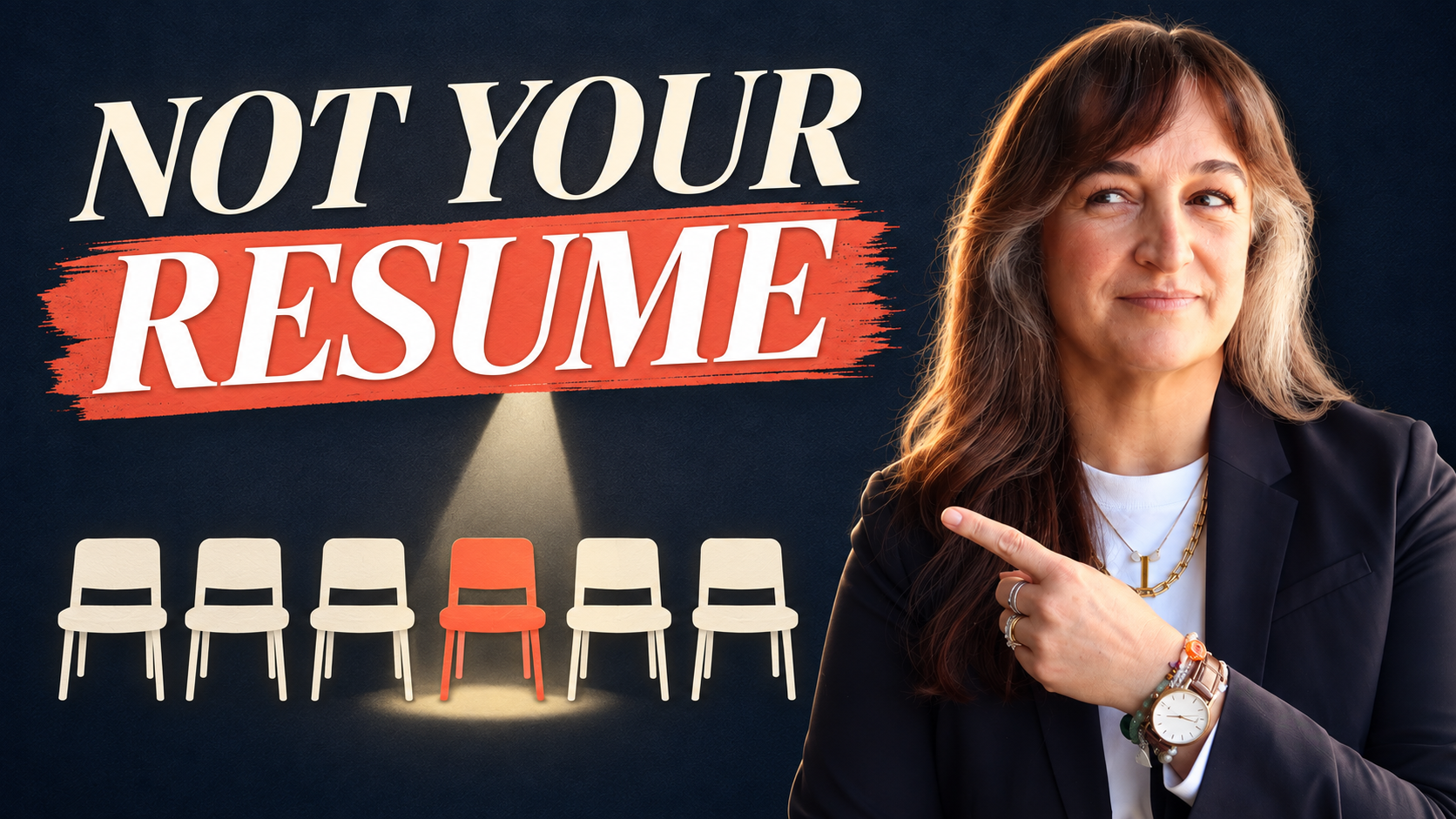
This week on YouTube: The Exact 5-Step System My Clients Use to Land $200k+ Roles
This is the method I use with experienced professionals moving into senior, often six-figure roles. I call it the Career Capital Method. It has five steps, and the order matters: direction, evidence, positioning, visibility, and conversion. Most people start with the third one. They rewrite the resume the week the job ends, and then wonder why the applications don't convert.
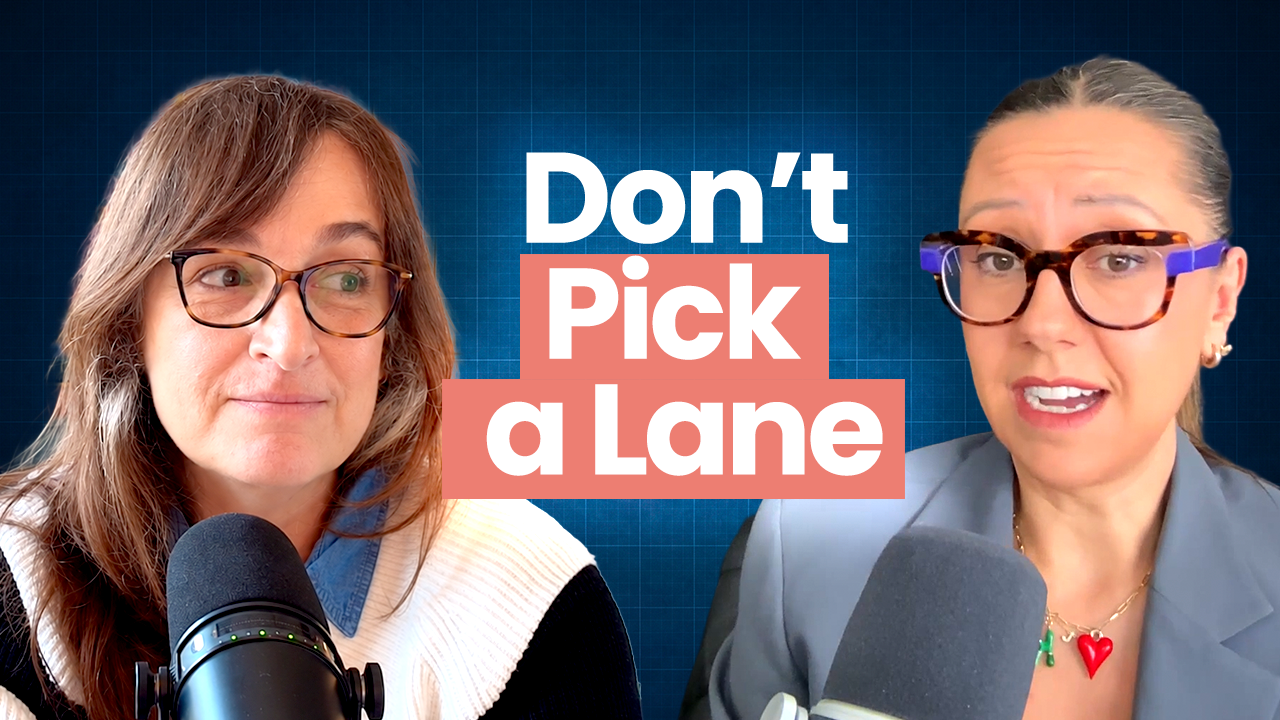
This week on The Job Hunting Podcast: my conversation with Kate Dillon
I shared this episode last week, but I want to bring it back because one part of our conversation feels especially relevant to this newsletter. Early in the episode, Kate talks about the death of her brother and the way that loss changed her relationship with risk, failure, and time. The wider conversation is about building a career that does not fit neatly into one box, but this part of her story is a powerful reminder that some of the most important career decisions are shaped by experiences we could never have planned for.
Time Out
- Listening to Her soundtrack and doing breathing exercises before going to sleep is now my biggest stress management and sleep aid strategy.
- The book Threshing Day came out this week, and I read it in 5 hours. I love dragons, so this 4th book of the Fourth Wing series was a pleasure to read. Last night I started Yesteryear, the debut novel by Caro Claire Burke about a social media influencer who goes back in time to the 19th century and must learn to live without modern society. She's very unlikable, so it's not a fun read for now, but I'll keep going. I'm reading it together with my niece, so it will be fun to swap notes.
- When I need a pick-me-up, I've been listening to Virtual Insanity, by Jamiroquai. I can't believe it's been 30 years since it came out. Still as fun as ever. The video is considered one of the all-time best music videos of all times.
Losing someone important changes the scale of things. Some problems suddenly look smaller, while certain memories become much more precious. I am grateful for the influence my aunt and godmother had on my life, and that I had her for as long as I did.
Until next week
RB