If you follow me on Instagram, you may have seen that we regularly get into the very cold water of Melbourne’s bay. Andre does it every day, and I join him when I don't have an early client. The water is always freezing. It's especially uncomfortable in the dead of winter.
It is never something I particularly want to do when I am standing on the sand. My body knows exactly what is coming. There is always that moment of negotiation with myself. I could go wait in the car. I could say it is too cold. I could decide that today is simply not the day.
Then I get in. And almost every time, I come out feeling stronger than I did before. I do not think the magic is in the cold water itself. What I value is the reminder that I can voluntarily do something uncomfortable, safely, and discover that discomfort isn't the same as danger.
That distinction matters much more than we think.
Get comfortable being uncomfortable
We spend a lot of adult life trying to make things easier. We automate things, outsource things, avoid awkward conversations, stay close to people we already know, and become very efficient at operating inside environments where we feel competent.
There is nothing wrong with comfort. I am a great fan of it. But if everything becomes comfortable, we can become less practiced at dealing with situations that require courage, uncertainty, or the possibility of looking foolish.
That is why I think it is useful to deliberately do difficult things from time to time, as long as they're safe and appropriate for you. For me, sometimes that is cold water. And if I'm honest, after the first few minutes, it's actually exhilarating. I can feel the endorphins in my body, and my day is in fact better when I go for a cold dip.
For someone else, it might be going to an event alone, taking a class in something they are terrible at, asking a difficult question in a meeting, giving a presentation without over-preparing, learning a new physical skill, asking for feedback, or starting a conversation with someone they do not know.
The point is not to make life miserable in the name of personal growth. The point is to remind yourself that you can tolerate discomfort. That becomes very useful when the discomfort is no longer optional.
Job searching requires the same muscle
A job search, particularly at a senior level, repeatedly asks you to do things that may feel uncomfortable.
You have to contact people you have not spoken to for years. You may need to ask someone for an introduction. You have to tell people that you are looking for work. You apply for roles knowing you may never hear back. You walk into interviews where you know you are being evaluated. You follow up. You negotiate. You deal with rejection and then somehow find the energy to do it again.
For many experienced professionals, this is particularly difficult because they have spent years becoming very good at what they do.
Then suddenly the job search asks them to become beginners again.
Networking feels awkward. Interviews feel unfamiliar. Writing about themselves feels self-promotional. Asking for help can feel uncomfortable after decades of being the person other people ask for help.
There is no way to become comfortable with those things without doing them.
You do not become good at reaching out by thinking about reaching out. You become good at it by sending the message.
You do not become better at interviews by waiting until you feel confident. You become better by having conversations, making mistakes, noticing what happened, and trying again.
The discomfort is part of the practice.
Start before you need the skill
This is why I think it is worth practicing small acts of discomfort while your career is going well.
Introduce yourself to someone at an event instead of waiting for them to approach you. Invite somebody you admire for coffee. Put your hand up for a presentation. Publish an opinion on LinkedIn that is genuinely yours. Ask your manager for feedback you may not particularly want to hear.
None of these things needs to be dramatic. The objective is simply to keep proving to yourself that being uncomfortable does not mean you should stop. When a redundancy, difficult career transition, or unexpected opportunity eventually arrives, that ability becomes incredibly valuable.
For you this Friday
Think of one professional action you have been avoiding because it feels uncomfortable rather than because it is genuinely a bad idea.
- Maybe there is someone you should contact.
- Maybe there is an application you keep talking yourself out of.
- Maybe you need to ask for a meeting, request feedback, negotiate something, or finally publish the piece you have been quietly drafting.
Choose one and do it. You do not need to feel ready first. Sometimes readiness comes afterward.
How I help
A lot of career coaching is about strategy, but strategy is only useful if you can act on it. I can help someone identify the right people to contact, prepare for an interview, improve their positioning, or work out what their next career move should be. But at some point, they still have to send the message, enter the room, ask the question, or take the risk.
Part of my work is helping clients build the courage to do that without waiting for perfect confidence.
If you are at a point where you know what you should probably do next but are finding it difficult to move, you can learn more about private coaching here:
Book a Free Introductory Meeting
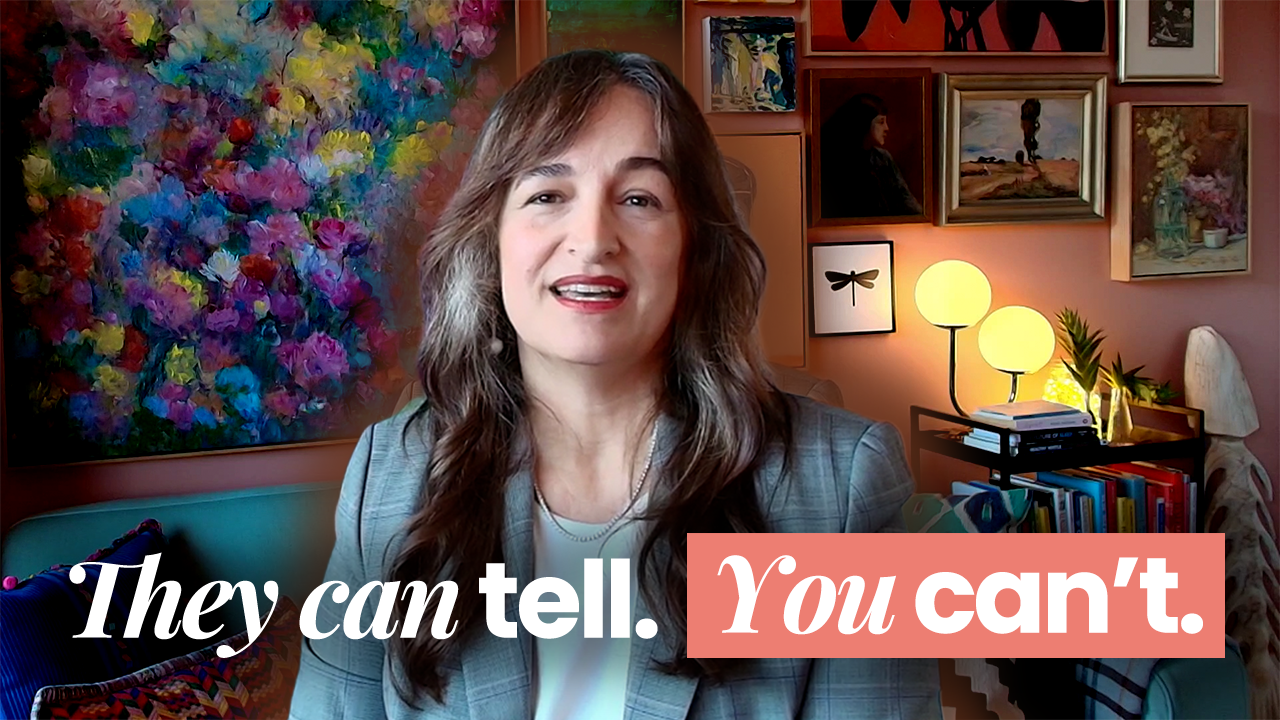
This week on YouTube: 8 Things You Should NEVER Do In an Executive Job Interview
You can be highly qualified and still not get moved forward in a recruitment process. Most of the time, nobody tells you why. In this video, I walk you through the eight things I avoid in an executive job interview: mistakes I see experienced professionals make surprisingly often, most of which have little to do with whether you are qualified for the role. By the time you reach an executive interview, they already think you can do the job. Your job is to help them become more confident about that decision.
Watch now & subscribe to our YouTube Channel
On The Job Hunting Podcast:
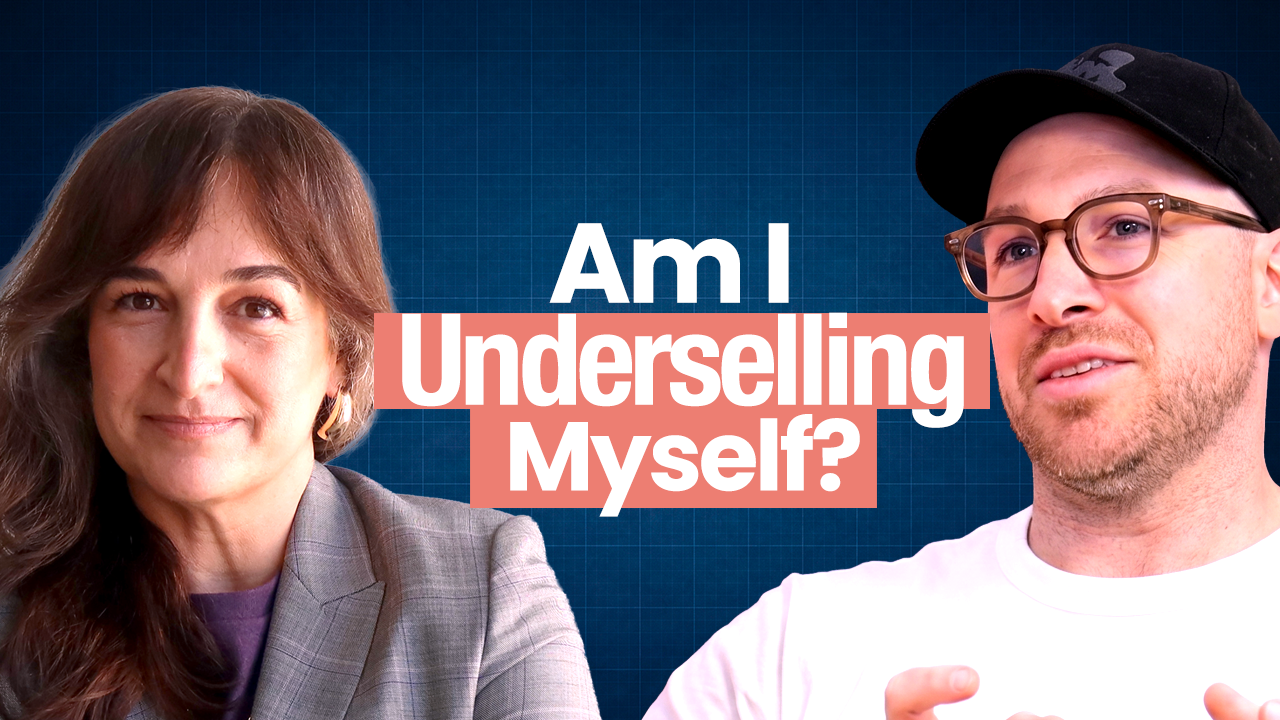
The Salary Question Job Seekers Hate
Salary is one of the most uncomfortable parts of the job search, especially when employers ask for expectations early in the process. In episode 343, compensation consultant Matt McFarlane explains how companies think about pay, salary bands, job titles, negotiation, and what experienced professionals need to understand before naming a number.
Write us a 5-star review on Apple
Give us a 5-star rating on Spotify
Time Out
- I'm listening to a lot of 80s Brazilian music. From MPB like Gilberto Gil's Palco to pop ballads like Kid Abelha's Como eu Quero, it was a great era for music.
- I'm keen to start the new Slow Horses season this weekend, although the good weather in Melbourne means I'll probably be reading on the beach all weekend.
- I'm still reading The Fourth Wing books and Outlander. Between finding a heroine with hEDS and getting inspired to spend the winter in Scotland, I don't think I'll have time to read anything else until the new year. These books are huge! Publishers don't have the guts to edit best-selling fantasy books, and each book in the series gets bigger and bigger.
- I need your help building a list of podcasts that my listeners listen to. Can you please reply to this email with a list of your favorite shows? I'd really appreciate your help!
As for the cold water swims, I'd love to tell you that after doing this regularly, I now leap happily into the bay. I don't! It's still very cold. I still hesitate and often wonder why on earth we think doing it is a good idea.
But perhaps that is why I keep going back.
I guess it wouldn't teach me much if it became easy.
RBX