Stress keeps us focused on the next task. Here’s how to create space for better long-term career decisions.
We spend so much time reacting.
Replying to emails. Preparing for meetings. Managing stakeholders. Fixing problems. Trying to stay calm.
And when you’re in a job search, the pressure can feel even more intense. Every rejection, every silence, every delay can push you into short-term thinking.
What role should I apply for next?
What should I say in this email?
Should I lower my expectations?
Should I just take whatever comes first?
This is completely human.
Stress changes how we think. Research shows that acute stress can reduce working memory and cognitive flexibility, the very mental skills we rely on to plan, reflect, and make thoughtful decisions. Under pressure, we become more reactive and more likely to default to automatic responses rather than deliberate choices.
That matters for experienced professionals.
Because at your level, career decisions should not be made only from urgency. They should also be made from perspective.
This is one of the biggest mistakes I see smart, capable professionals make. They become so busy surviving their current workload or managing the anxiety of job search that they stop asking the bigger questions:
- Where do I want my career to be heading in the next three to five years?
- What kind of work gives me energy now, at this stage of life?
- What do I want more of?
- What have I outgrown?
- What am I tolerating simply because I am tired?
These questions are not indulgent. They are strategic.
There is strong evidence that reflection improves performance, and long-term career planning can reduce career stress and improve a person’s sense of employability and direction.
This is also something business leaders can learn from sport.
Elite athletes do not train by going flat out every day without pause. They also don't win by doing the same thing over and over and expecting others to notice them.
Recovery is part of performance. Long-term development is part of coaching. Preparation for what comes next is built into the process, not left until a crisis. Sports psychology also focuses on mental skills such as setting short, medium, and long-term goals, because performance improves when people can connect daily actions to a bigger plan.
Corporate professionals need the same discipline.
You cannot build a satisfying, sustainable career if all your decisions are being made from an exhausted nervous system.
And this is where biology matters too.
Stress and poor sleep tend to reinforce each other, and both can affect executive function, including planning, attention, and mental flexibility. Work-related stress is also associated with lower performance on executive function measures in middle-aged adults.
So if you’ve been feeling foggy, stuck, indecisive, or unable to think beyond the next week, please do not mistake that for lack of ambition.
It may simply mean you have not had the right conditions to think well.
Here is a simple exercise I recommend.
Set aside 30 minutes this week and answer these five questions:
-
What do I want my work life to look like in three years?
-
Which parts of my current work or job search are aligned with that future, and which are not?
-
What strengths do I want to use more often?
-
What am I no longer willing to compromise on?
-
What is one decision I need to make now that my future self will thank me for?
You do not need a perfect five-year plan.
But you do need moments of honest reflection.
Because careers rarely drift in a good direction by accident.
They improve when you step out of the noise long enough to think clearly about what you want, what you need, and what comes next.
And sometimes that is hard to do alone.
If you know you need that kind of space and structure, start with a 1-hour consultation with me (AUD$400 or approx US$290). In that session, we can step back from the immediate pressure, look at your career more strategically, and identify what your next steps should be.
That hour can be the start of a much better plan.
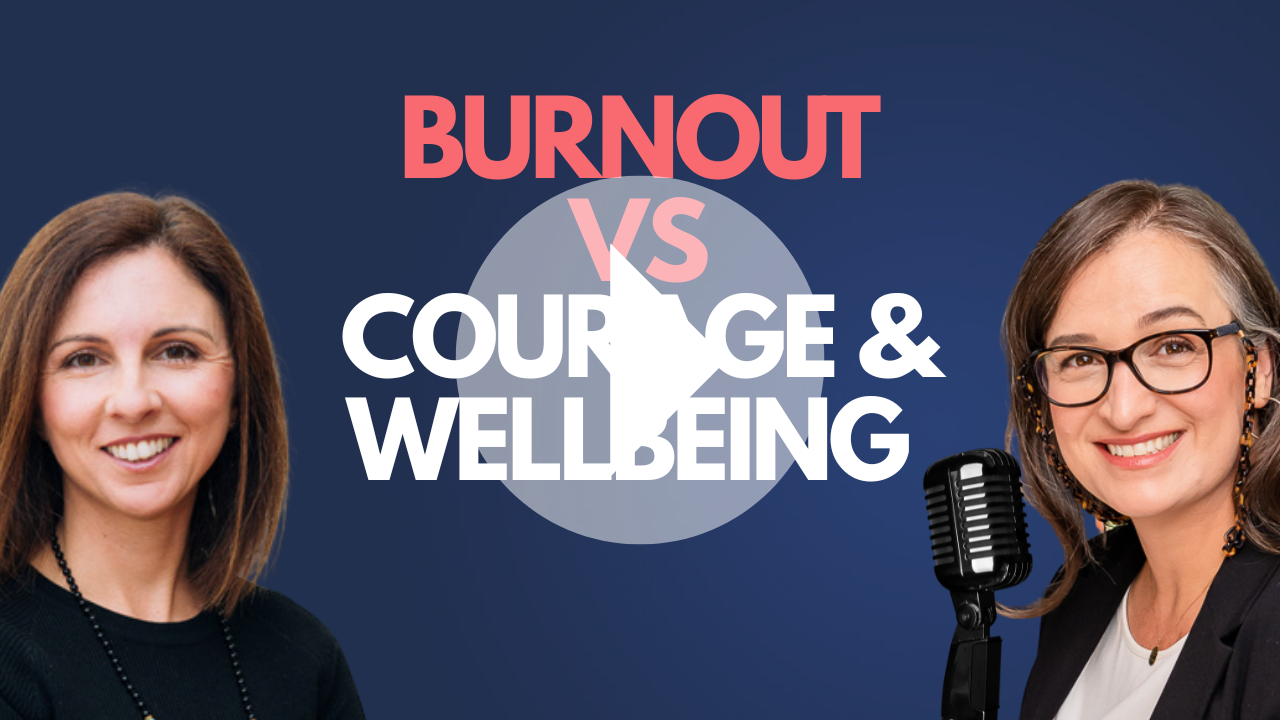
This episode has resonated with so many people!
Have you listened to our latest episode? Natalie Moore joins me to explore what leaders and professionals need most in 2026: courage, self-awareness, emotional intelligence, and space to think. We also discuss burnout, work design, hybrid work, and how career pivots can happen through small, intentional steps.
Time Out:
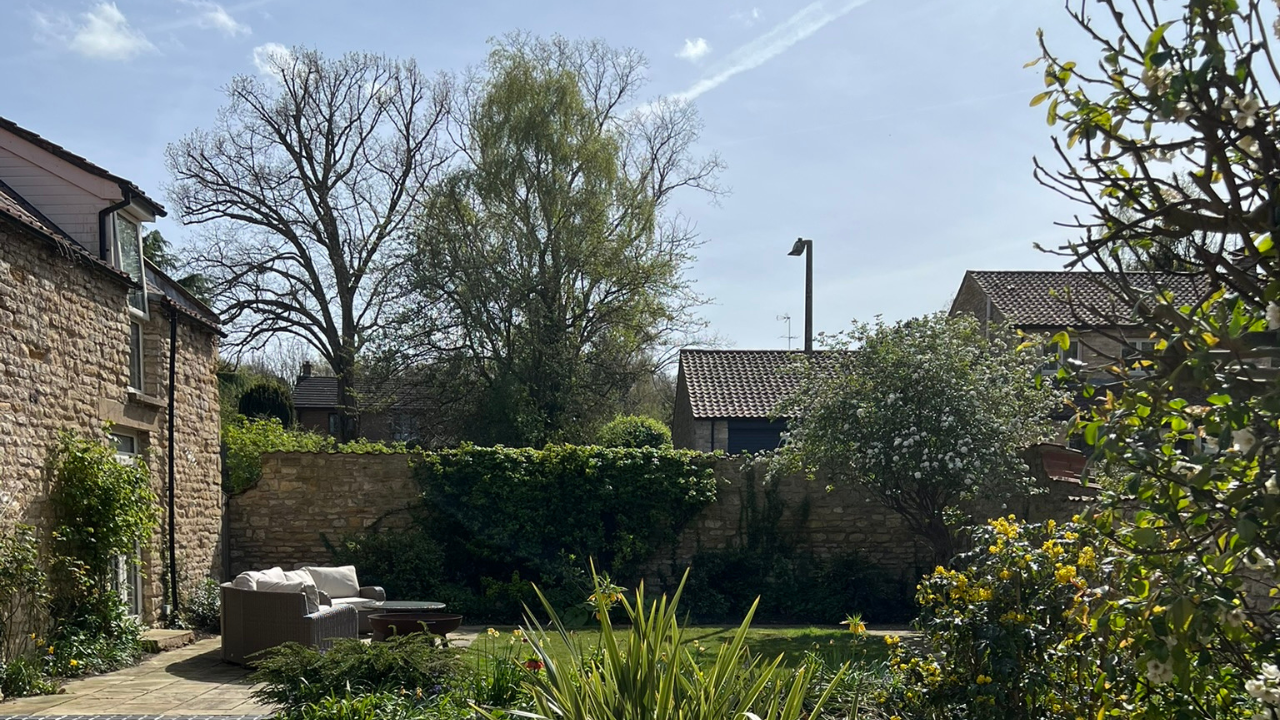
- We’re staying in the UK near the Red Arrows’ practice base, and it has been such a privilege to watch them from our backyard on most days. Seeing that level of precision and teamwork up close has been quite special. If you’d like to learn more about them, I recommend a short documentary that followed the team for a year.
- What I have been listening to with my grandson Teddy: O Leaozinho, Caetano Veloso, O Pato, Joao Gilberto, Maria Mole, Rita Lee. All great Brazilian songs :)
I hope you enjoyed this newsletter! If you want to recommend it to others, they can sign up here: Click here to sign up.
See you next week
RB