Corporate professionals and executives are navigating a new era of work that includes rapid technological change, evolving workforce expectations, and significant shifts in how companies hire and retain talent.
In this week's episode of The Job Hunting Podcast (#300), I spoke with Priya Bhola Rathod, a career trends expert at Indeed. With over a decade of experience at Indeed and a background at MTV, Comcast, and CareerBuilder, Priya brings a unique blend of data-driven insights and personal career transformation experience. Our conversation explored the realities of career changes, job market shifts, the integration of AI in recruitment, and the importance of networking.
This newsletter captures the most impactful insights and actionable strategies from our discussion, offering you a practical guide to thrive in today’s career landscape.
Career Transitions: Why Industry Change Is Inevitable and Achievable
Many corporate professionals find themselves at a crossroads, not just wanting, but needing to change industries. Priya’s path from media to tech and talent strategy exemplifies how such transitions are possible. She emphasized three core tactics that helped her shift industries and that she recommends to job seekers:
-
Upskill Before You Move: This doesn’t always mean pursuing a full degree. Priya advocates for targeted certifications, short courses, and learning the skills relevant to your next role or sector.
-
Leverage Transferable Skills: For Priya, moving to Indeed required translating media and communication experience into insights and storytelling about the labor market. Professionals must reframe their past roles to highlight universally valuable skills: leadership, stakeholder engagement, analytical thinking, and cross-functional collaboration.
-
Try Before You Leap: Within a current organization, asking to shadow others or participate in interdepartmental projects can serve as a trial run before formally switching roles. This shows initiative and builds credibility internally.
These strategies work hand-in-hand with narrative reframing. This means adjusting language and examples in resumes and interviews to suit the target industry’s jargon and expectations.
Confronting Ageism and Career Gaps
A significant portion of the conversation focused on professionals over 50, a growing demographic that is looking to pivot their careers, often after stepping out of the workforce due to redundancy, caregiving, illness, or other life events.
Priya shared data from AARP revealing that 65% of job seekers over 50 plan to make a career change, but the majority have yet to take any concrete steps. We discussed how many older professionals self-disqualify from roles by assuming they are overqualified or “past their prime.” Priya reinforced that job seekers should not overthink their age but instead focus on readiness and relevance.
Key advice for midlife professionals:
-
Acknowledge career gaps confidently: Include them in your cover letter and interview answers. Frame them as periods of growth or care, not setbacks.
-
Don’t fear being overqualified: Instead, reframe it to emphasize stability, loyalty, and readiness to hit the ground running.
-
Tailor your application materials: Remove unnecessary scale or prestige if it doesn’t align with the job you’re applying for.

Why Conversations Trump Applications
As a career expert working at a platform where resumes matter, Priya still champions networking as the most powerful job search tool. Networking is about visibility, trust, and conversation. Priya attributes her job at Indeed to a referral from a friend who knew her values and work ethic. She encourages professionals to talk openly about their job search. Not necessarily asking for a job, but for advice and insight.
Some practical networking ideas we discussed:
-
Join interest-based groups (e.g., parenting, public speaking) that lead to career conversations.
-
Engage on LinkedIn by commenting on relevant industry news.
-
Be clear about your goals and needs when talking to your network.
Resumes still matter, but they’re often supporting documents after someone hears your name in a room you’re not in.
Adapting to AI in Job Search and Career Development
AI is no longer optional. It’s changing how jobs are sourced, how applications are screened, and how companies identify talent. But it’s not replacing human expertise. This may be controversial, but Indeed’s recent research into 2,800 skills found none were at high risk of being fully replaced by AI. As Priya put it: “AI might not replace your job, but someone who knows how to use it might.”
Here’s how to approach AI strategically:
-
Use AI to assist—not replace—your job search.
Tools like ChatGPT can help you draft resumes, cover letters, or interview responses. But don’t rely solely on AI-generated content. It can dilute your personal voice or introduce irrelevant jargon. -
Stay relevant in your industry.
Learn how AI is impacting your sector and job function. Take free or low-cost courses via platforms like Indeed’s partnership with Udemy. -
Keep it clear and human.
Over-engineered resumes or LinkedIn summaries filled with buzzwords and AI-generated phrases won’t help you stand out. Priya stressed the importance of clarity: “Call a software engineer a software engineer.”

Resumes and LinkedIn: Stop Obscuring What You Do
We both expressed concern about how the use of AI is making resumes and LinkedIn profiles unreadable. Many candidates use too much jargon and generalisms, making it difficult to discern what they actually do.
Priya advocates for functional resumes: Ones that highlight core skills and accomplishments at the top. Whereas I advise professionals to avoid starting their LinkedIn “About” section with an emotional story. Instead, clearly state your job title, industry expertise, years of experience, and core competencies.
Tailor your resume not only to each role but also to the company culture and the market’s expectations. One example we discussed was of a European executive applying in Australia. His resume emphasized managing teams of 300 people, which is an impressive feat in Europe, but overwhelming for a small Australian firm. Adjusting scale and scope in your resume to fit your audience is critical.
Evaluating Company Culture and Benefits Before You Accept
Finally, Priya shared insights on how to gauge a company’s true culture during the application process. She pointed job seekers to Indeed Company Pages and Glassdoor Reviews, both rich with anonymous employee feedback.
Key indicators to research:
-
Work-life balance ratings
-
Career development opportunities
-
Diversity, equity, and inclusion (DEI) efforts
-
Interview process transparency
Use tools like Glassdoor Salary Data and the Indeed Wage Tracker to prepare for negotiations. These resources provide you with real-time, location-specific salary benchmarks, which are crucial information when making an offer decision.
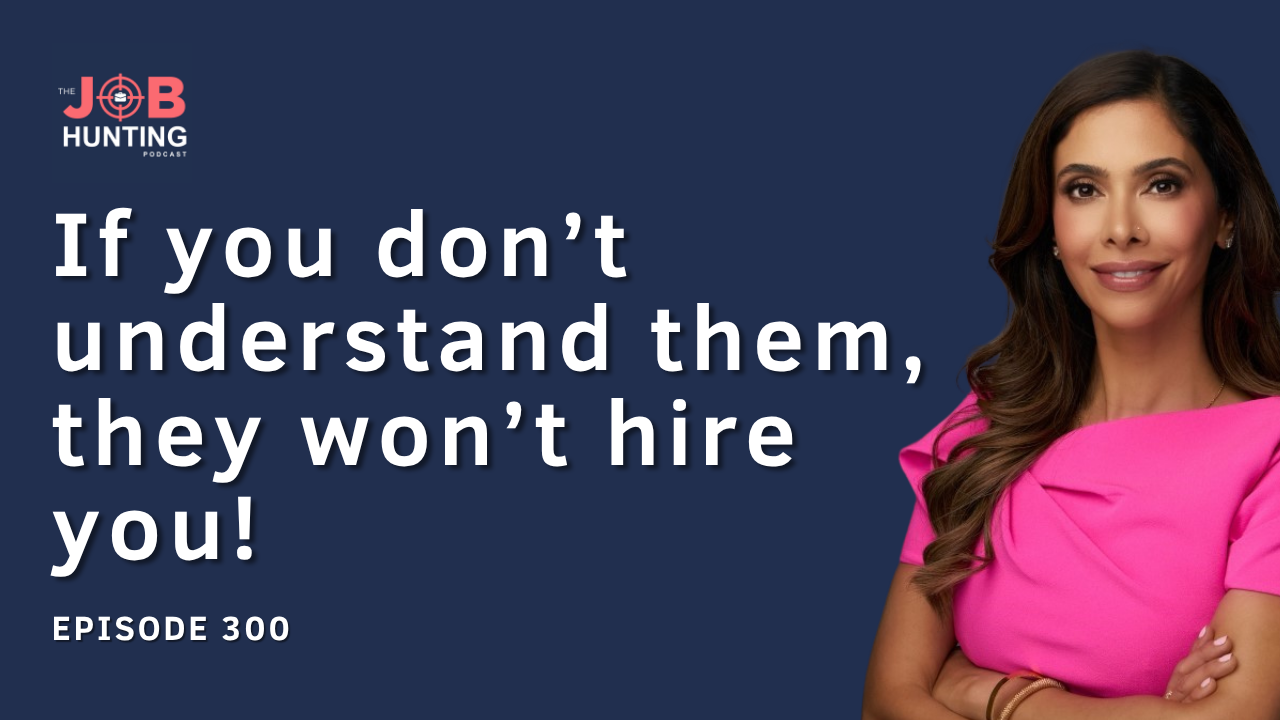
Currently Job Searching? Listen to Episode 300:
- Listen to the full episode on the podcast website
- Listen on Apple Podcasts
- Listen on Spotify
- Watch on YouTube
Can You Help The Job Hunting Podcast?
If you found this newsletter and episode, you can:
-
Leave a review for The Job Hunting Podcast on Spotify or Apple Podcasts.
-
Subscribe to our YouTube channel and give our videos a thumbs up. Every ranking and written review makes a huge impact on our ability to reach more listeners.
-
Forward this newsletter to someone who needs to read it, and ask them to click here to subscribe.

Time Out:
- On Sunday, I went to the cinema to watch the new Superman Movie. I loved it. I think it is much like the original cartoon and the first movie from the 1970s. The cast is excellent, featuring many familiar faces. Then we came home and watched the original Superman: The Movie. I still think that the first one is the best of all.
- We are halfway through the new documentary about Billy Joel. Andre loves his song, and of course, I do too. He plays the piano with such fluidity and expertise, and his songs take me back to my childhood. Plus, the documentary is expertly made, unlike many docos these days that drive me nuts because they are so long and full of b-roll. Worth a watch
If you've found this newsletter helpful, please visit my website for more information about my career coaching services. There are services and courses available to help you achieve your career goals. I particularly recommend Reset Your Career if you don't know where to start. It will provide you with a comprehensive overview of how to navigate recruitment and selection with confidence in 2025.
Next week, I’ll be sharing notes on my interview with another coach, who has a massive following on TikTok and Instagram. Maybe you already follow her. Together, we will investigate some of the most pressing issues affecting job seekers.
Until then, stay focused. Your future career is worth the effort.
To your career success
RBX
Renata Bernarde | Career Coach | Host, The Job Hunting Podcast