Like you, I have been thinking a lot about AI lately. Not because there is a new tool I want to recommend (although Fable 5 access has been extended for 5 more days!), or because I think everyone needs to become an expert.
I have been thinking about AI because I believe we are entering a more mature phase in how we use it, especially in our careers and in job searching.
When ChatGPT first became widely available, the excitement was enormous. It felt like we had been given access to a tool that could write faster than us, organise our thoughts better than us, and help us do in minutes what used to take hours. For job seekers, that was understandably appealing. Writing a resume, updating LinkedIn, preparing for interviews, and drafting cover letters can feel exhausting, especially when you are already under pressure.
But I think the hype is starting to settle. And perhaps that is a good thing.
We are now seeing the limitations more clearly. Frankly, I have not seeing professionals come to me saying "Thank goodness for ChatGPT, it was much easier for me to get a job!"
It's much easier for you to write a resume from scratch, but getting the actual job? That's the reason they reach out to me for help. Maybe it's the reason you're reading this newsletter :)
A resume written entirely by AI can sound polished but strangely empty. A LinkedIn About section can have all the right words and still say very little about the person behind it. A cover letter can appear professional but feel disconnected from the actual role, the organisation, or the candidate’s real motivation.
For experienced professionals, this matters. SO MUCH!
Your value is not only in your technical skills or your job titles. It is in your judgement, your pattern recognition, your ability to influence, your understanding of people, your resilience, and the way you make sense of complex situations. These are not easy things to capture in a generic AI-generated paragraph.
And this is where I worry that some professionals may have accidentally handed over too much.
They did not just use AI to help with writing. They allowed AI to take over their narrative.
Your narrative is the way you explain who you are professionally. It is how you connect the dots between your experience, your achievements, your values, and your next career move. It helps people understand why your background matters and what kind of contribution you are ready to make now.
That should not be outsourced.
I am not against AI. Far from it. I use it in my work, I teach professionals how to use it, and I believe it can be incredibly helpful when used well. It can help you organise your ideas, identify gaps in your resume, prepare for interviews, summarise a job ad, improve a messy draft, or give you a starting point when you feel stuck.
But AI should be used as a thinking partner, not as the author of your professional identity.
That distinction is important.
When I work with clients, the best outcomes do not come from asking AI to “write me a better resume” or “create a strong LinkedIn profile.” The better work starts before that. It starts with understanding what the person wants to be known for, what they want to move toward, what they no longer want to keep repeating, and what stories from their career best demonstrate their value.
AI can help shape those ideas once they are there. But it cannot decide what matters most. It cannot know which achievement still gives you confidence when you talk about it. Nor can it understand the complicated stakeholder environment you had to navigate, the difficult decision you had to make, or the quiet influence you had behind the scenes.
That context comes from you.
I think this next phase of AI will reward professionals who are more discerning.
The ones who will benefit most are not necessarily the ones using every tool available. They are the ones who know what to keep human.
In a job search, that means using AI to support your preparation without letting it flatten your voice. It means reviewing the output and asking, “Does this sound like me?” and “Would I actually say this in an interview?” and “Is this helping people understand my value, or is it just making me sound like everyone else?”
That last question is especially important.
One of the risks of overusing AI is sameness.
We are already seeing it. The same phrases appear again and again. Strategic leader. Proven track record. Passionate about driving outcomes. Adept at stakeholder engagement. Dynamic professional. Results-oriented executive.
None of these phrases are wrong on their own. But when they are used without specificity. People stop noticing them.
Your career deserves better.
If you are job searching now or thinking about your next career move, I would encourage you to take a step back before you open ChatGPT or Claude. Spend a little time thinking about the message you want your documents and online profile to carry. What do you want people to understand about the way you work? What problems are you particularly good at solving? What have the last few years taught you about your strengths, your preferences, and your next direction?
Once you have done that thinking, AI becomes much more useful.
It can help you refine the language, structure your ideas, and test whether your message is clear. It can help you prepare more thoroughly and communicate with more confidence. But the original insight still needs to come from you.
That is why I think the end of the AI hype may be good news.
The novelty is wearing off, and the shortcuts are becoming easier to spot. This creates an opportunity for professionals who are willing to be more thoughtful. You do not need to reject AI. You simply need to use it in a way that strengthens your voice rather than replaces it.
For senior professionals in particular, your ability to communicate with clarity is part of your leadership. Your words carry your judgement. Your stories carry your credibility. Your positioning helps people understand where you fit and why you matter.
AI can help you say it better.
But it should not decide what you are trying to say.
A note about private coaching
One of the reasons I value private coaching is that it gives us the space to do the deeper work that sits behind a successful job search.
Yes, we work on the practical pieces: your resume, LinkedIn profile, interviews, networking, positioning, and job search strategy. But we also work on something AI cannot do for you. We clarify your professional story.
That means understanding what you want to be known for, how your experience translates into your next role, and how to communicate your value in a way that feels credible, grounded, and true to who you are.
This is especially important if you are an experienced professional aiming for a more senior role, returning to the market after many years, changing sectors, or repositioning yourself after redundancy or a difficult career chapter.
As clients get jobs and end their engagement with me, I get spots available for new people. I currently have 2-3 private coaching spots available starting in either July or August.
If you are interested in working with me, you can book a discovery meeting here: https://www.renatabernarde.com/private-coaching/
In that conversation, we can discuss where you are now, what you hope to achieve, and whether private coaching is the right support for you at this stage of your career.
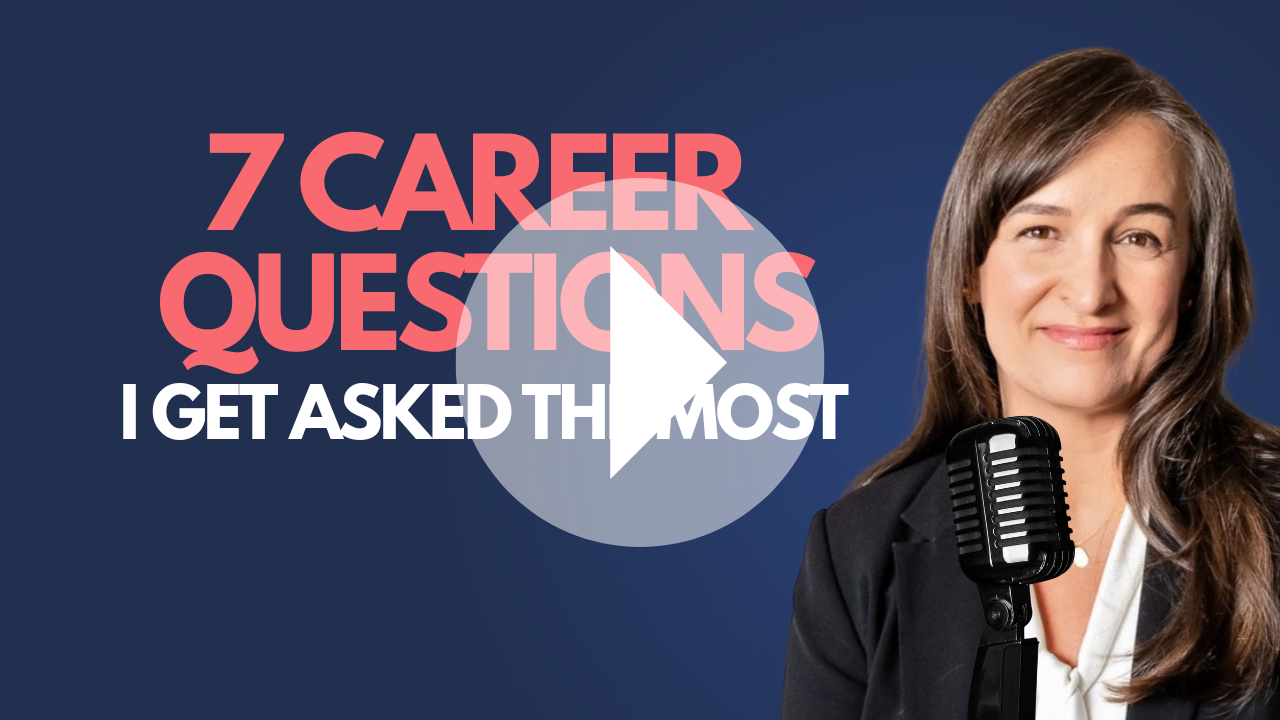
7 Career Questions My Clients Ask Most
In this episode, I answer the seven career questions my clients ask most often about visibility, CVs, achievements, career change, age bias, role choice, and career storytelling.
Time Out
- Have you ever heard of shoegaze? I had not until last week. It's an alternative rock genre characterized by guitar effects, hazy, atmospheric, and dreamy compositions, and breathy vocals. If you enjoy Tame Impala, New Order, or Radiohead, you'll like this style of music. Start with this YouTube playlist and see if it's your vibe.
- What I'm watching on TV: The FIFA World Cup and Outlander Season 2.
- New Instagram accounts I am following: Ken Sakata. I really enjoy his videos explaining the history of clothing and fabrics, sewing techniques, and garments.
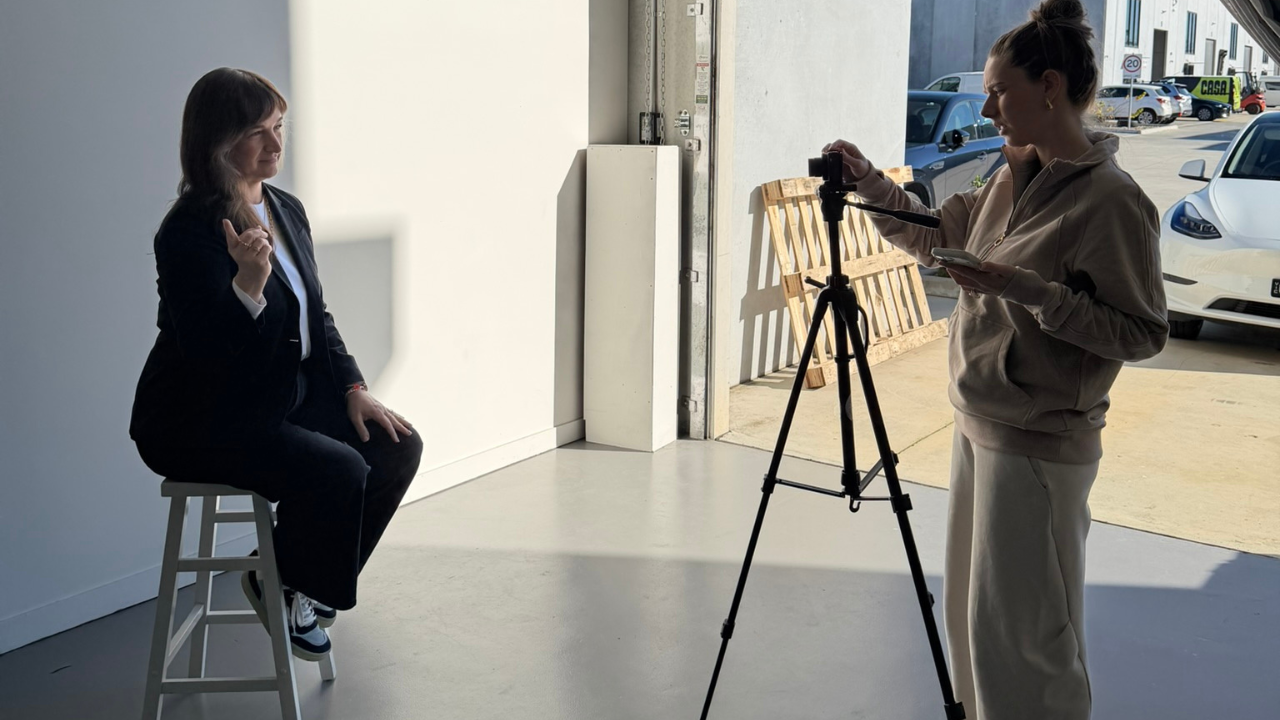
- Follow my Stories on Instagram to see what I do behind the scenes. I'm currently sharing about my next project, the YouTube channel recamp.
I hope you enjoyed this newsletter. Please reply to this email if you need to ask me any questions about my coaching services - I'd be happy to help you.
Until next week
RB