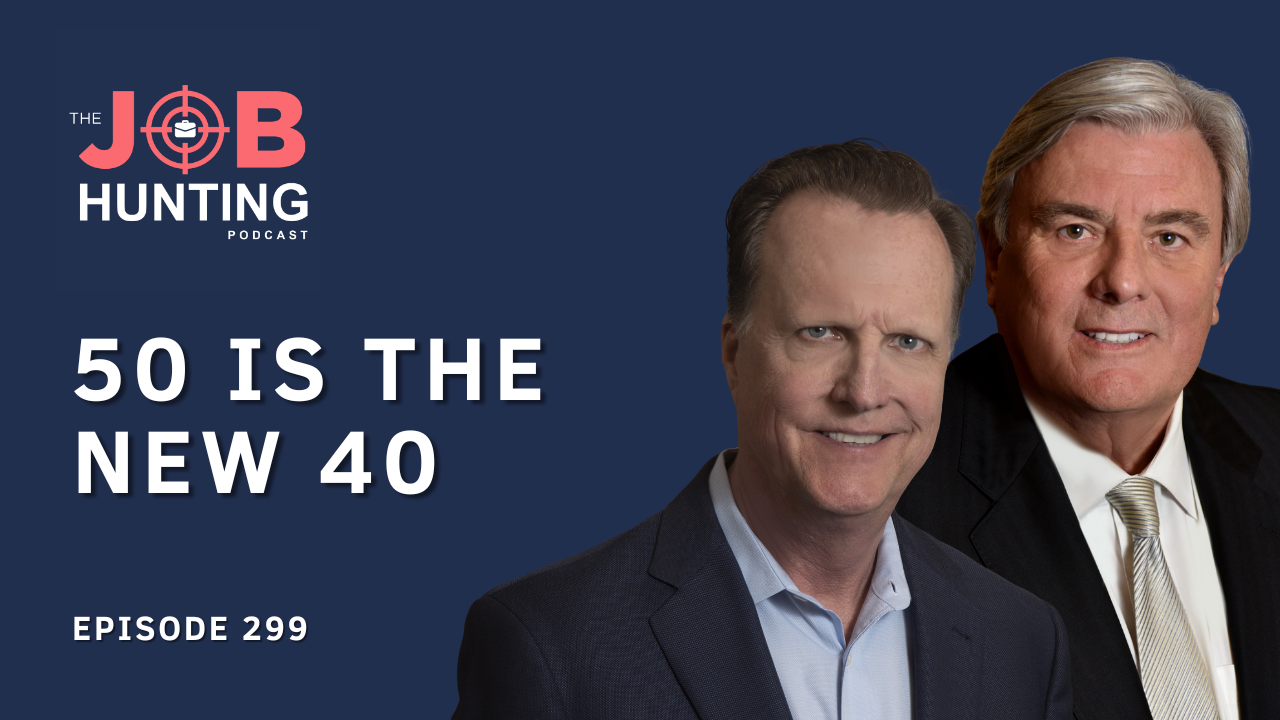
Starting a new executive role is one of the most critical and vulnerable transitions in a corporate career. The early days of a new appointment can determine the course of a leader's success, influence, and longevity within an organization. In Episode 299 of The Job Hunting Podcast, I sat down with Neill Marshall and Kurt Mosley from HealthSearch Partners, two veteran recruiters who specialize in senior leadership appointments across the US healthcare sector. Their work, however, provides valuable insights for executives across all industries.
Neill, the Board Chair and Co-Founder of HealthSearch Partners, and Kurt, the firm’s Associations Practice Leader, have decades of experience placing top-tier executives. In this episode, we explore their framework for the "First 90 Days," discuss trends in leadership recruitment, and examine how executives can remain competitive and employable as they age.
This newsletter distills our discussion into key insights and practical strategies for corporate professionals navigating new leadership roles.
The Importance of the First 90 Days
Neill and Kurt have observed that many executives fail not due to lack of skills or qualifications, but because of missteps made early in their tenure. The first three months set the tone for a leader's entire trajectory.
One compelling anecdote came from Richard Parks, a CEO who literally moved into his hospital for the first three months of his tenure. Living among the residents allowed him to understand operational pain points firsthand (such as poor-quality mattresses) and swiftly fix them. This symbolic action demonstrated his commitment and set a powerful precedent for his leadership.
Executives who succeed in their first 90 days are those who:
-
Take intentional symbolic actions to establish the tone of their leadership.
-
Merge their personal 90-day plan with those of their direct reports to ensure alignment.
-
Avoid hasty decisions, especially in people management.
Balancing Listening with Action
A recurring theme in our discussion was the tension between the need to take swift action and the wisdom of listening first. When boards or investors appoint a new executive, expectations are often high. Leaders may feel pressure to act decisively. However, premature actions can backfire.
Neill shared a cautionary tale of an executive who terminated a team member within the first 30 days, unaware that the individual was beloved across the organization. The fallout led to the executive's own dismissal two weeks later.
Kurt emphasized the need for clarity before speed. Citing the quote by basketball coach John Wooden: "Be quick but don't hurry," he highlighted that urgent decisions made without proper context can derail even the most capable leaders.

Post-Pandemic Leadership Expectations
The pandemic reshaped leadership styles. Many corporate environments now prioritize people retention and employee well-being more than ever. Neill noted that the phrase "people are our most important asset" has moved from lip service to action. The leader who can retain talent wins.
Kurt observed that silos between doctors and administrators have begun to dissolve in hospitals, giving way to collaborative models driven by shared financial and operational challenges. This mirrors trends in other sectors, where cross-functional cooperation has become essential.
Career Stability and Perceptions of Job-Hopping
We also tackled the sensitive issue of job continuity. Neill acknowledged that executives who have held multiple short-term roles over a few years may face red flags from recruiters. However, this is not insurmountable. His advice:
-
Secure the next role and aim to extend it for two years, if possible.
-
Rebuild a stable track record over time.
-
Leverage and activate a strong professional network to land opportunities.
These insights are especially relevant post-pandemic, as many professionals have navigated unplanned transitions and consulting stints.
Age and Employability
One of the most reassuring takeaways from this conversation is that age is less of a barrier than it used to be. Neill recalled that early in his career, presenting candidates over 55 to boards was nearly impossible. Today, it's a non-issue. He shared the story of an 83-year-old physician executive actively interviewing.
Kurt supported this shift by citing demographic changes in the US: for the first time, there are more people aged 60 and over than there are aged 17 and younger. The workforce is aging, and senior talent is being recognized for its value.
However, with age comes the need to demonstrate adaptability. Neill and Kurt offered these guidelines:
-
Discuss future-focused topics such as AI and cybersecurity.
-
Update your wardrobe and presentation.
-
Avoid discussing "how we did it 10 years ago."
-
Demonstrate enthusiasm for new challenges and the energy to tackle them.

Actionable Strategies for Job Seekers
Based on this episode, here are the top recommendations for executives preparing to start a new leadership role:
-
Craft a 90-Day Plan: Align your vision with team expectations by merging individual and departmental 90-day goals.
-
Symbolic Action: Choose one or two early initiatives that will visibly represent your leadership style and priorities.
-
Balance Action with Listening: Resist the urge to "fix everything" immediately. Take time to listen, understand dynamics, and build alliances.
-
Avoid Premature Personnel Changes: Do not make hasty staffing decisions without understanding team dynamics.
-
Modernize Your Image: Refresh your wardrobe, LinkedIn profile, and digital presence. Ensure your resume reflects accomplishments and relevance.
-
Be Present on LinkedIn: Both Neill and Kurt emphasized the importance of maintaining an active and professional presence. A complete, updated profile with a recent photo is essential.
-
Avoid Corporate Jargon: Use clear language to describe your experience and goals. Avoid buzzwords that obscure your true value.
-
Know What You Want: Be specific in interviews about the role and environment you're seeking. Vagueness sends the wrong message.
Preparing for Your First 90 Days? Listen to Episode 299:
- Listen to the full episode on the podcast website
- Listen on Apple Podcasts
- Listen on Spotify
- Watch on YouTube
Can You Help The Job Hunting Podcast?
If you found this newsletter and episode, you can:
-
Leave a review for The Job Hunting Podcast on Spotify or Apple Podcasts. You can also subscribe to our YouTube channel and give our videos a thumbs up. Every ranking and written review makes a huge impact on our ability to reach more listeners.
-
Forward it to someone you know who needs to read it, and ask them to click here to subscribe. I am sure you know another professional who would benefit from some guidance and support during these challenging times.

Time Out:
- We went to the cinema this past weekend to watch F1, and surprisingly, I loved it and Andre didn't. The script is highly predictable, but what won me over was how they shot the film, a true action movie, and the Hans Zimmer score takes it to another level of emotional performance.
- Andre was much happier with the two movies we watched at home: The Dig, a true story about an excavator and his team discovering a ship from the Dark Ages in England, and Past Lives, a US/Korean movie of childhood friends reuniting.
- Very much in love with Raye (like Lewis Hamilton, apparently). I think I have found my modern jazz diva.
If you've found this newsletter helpful, please visit my website for more information about my career coaching services. There are services and courses available to help you achieve your career goals.
Next week, I’ll be sharing notes on my interview with an executive from the global employment site, Indeed. I hope to share great insights to help you on your job search and career planning journey. Until then, stay focused. Your future career is worth the effort.
To your career success
RBX
Renata Bernarde | Career Coach | Host, The Job Hunting Podcast